
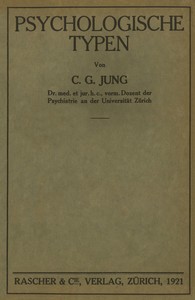
Psychologische Typen by C. G. Jung
This isn't a novel with a plot, but a journey into the architecture of the human mind. Jung maps out the fundamental ways people differ in how they perceive the world and make decisions. He introduces his famous ideas—introversion vs. extraversion, thinking vs. feeling, sensation vs. intuition—showing how these functions combine to create distinct psychological types. The 'story' is the unfolding of this map, showing how these types explain everything from personal relationships to historical conflicts and artistic creation.
Why You Should Read It
This book is the grandfather of all modern personality theory. Reading it feels like getting the source code. You'll recognize the seeds of ideas in everything from the Myers-Briggs test to modern psychology. It’s incredibly validating; you might find clear explanations for lifelong quirks or tensions in your relationships. Jung writes with a sweeping, almost philosophical view, connecting psychology to history, religion, and art, which makes it feel bigger than just a clinical text.
Final Verdict
Perfect for curious thinkers, psychology enthusiasts, or anyone who feels modern personality tests are too shallow. It's not a quick self-help guide—it's a dense, rich work that demands your attention. If you're willing to put in the effort, you'll be rewarded with profound insights that stick with you long after you finish the last page. Approach it like a challenging hike: the view from the top is worth it.
Noah Torres
1 week agoHaving read this twice, the writing remains engaging even during complex sections. This left a lasting impression on me.
Matthew Thompson
5 months agoA fantastic discovery, the insights offered are both practical and thought-provoking. Truly inspiring.




Brian Wright
3 months agoI approached this with curiosity because the diagrams and footnotes included in this version are very helpful. I learned so much from this.